Listen, I’ve been behind this counter for 12 years. I’ve seen it all—the guys walking in with big dreams, the DIY enthusiasts who think they’re contractors, and the folks who think a shiny new machine in the garage makes them a pro. But if there is one thing I’ve learned, it’s that a tool is only a "good deal" if it’s actually earning its keep.
Every week, someone comes in eyeing up a heavy-duty breaker, looking at the breaker price tag and thinking they’re saving money by owning it. Then, three months later, they’re back at the counter, asking me why the motor is shot or why they can’t find spare parts for a generic import. Before we even talk about which machine you need, tell me: what are you driving, and what can your bakkie actually tow? Because if you’re planning on hauling a heavy-duty breaker or a plate compactor, you need to know if your vehicle is up to the task before we even look at the machinery.
The Reality of Ownership: It’s Not Just the Sticker Price
When you look at a breaker price tag, you aren't seeing the full picture. You see the cost of the metal and the motor, but you’re ignoring the hidden costs of ownership. Tools like breakers and compactors are built for high-stress environments. They vibrate, they kick, and they chew through concrete. They require maintenance that the average weekend warrior just isn't equipped to handle.
If you buy a tool, you are responsible for:
- Depreciation: The minute you drive that machine out of the store, it loses value. Storage: Is it sitting in your damp garage gathering rust? That’s wasted floor space. Maintenance: Carbon brushes, grease, cables—these things wear out. If it’s not SABS approved and built for heavy-duty use, you’re going to spend more on repairs than the tool is worth. Obsolescence: Technology changes. A machine you buy today might be heavy, inefficient, and slow compared to the fleet available at a pro hire shop like Wenbro Hire in a few years.
Breaking Down the Project Stages
I Find more info always tell my customers: don't look at the tool; look at the project stage. Every building job has a rhythm, and trying to force one tool to do everything is the quickest way to end up with a sore back and a half-finished job.
Stage 1: Demolition
This is where people get it wrong. They call everything a "jackhammer." It drives me mad. There are light-duty breakers for chipping plaster and heavy-duty breakers for breaking up a 150mm reinforced slab. If you buy a small breaker, you’ll spend three days on a job that should have taken three hours. If you hire, you can match the energy output to the density of the concrete.
Stage 2: Preparation and Compaction
Once you’ve broken the concrete, you’re often backfilling. You think you can stomp it down with your boots? Forget it. You need a compactor. You aren't going to use a compactor once a year, so why on earth would you buy one? This is a textbook example of when to hire instead of buy.
Stage 3: Finishing
This is where you want precision, not brute force. If you’ve spent your budget on a massive breaker that you’ll never use again, you’re going to be short on cash for the tools that actually give the job a professional finish.
The Hire vs. Buy Table
I put together a quick comparison to show you why most people walk away from the idea of buying once they see the math.
Consideration Owning Hiring Upfront Cost High (Thousands of Rands) Low (Daily Rate) Maintenance Your headache Our responsibility Storage Permanent space taken None Tech Level Fixed at purchase date Always the latest gear Reliability Variable Professionally servicedWhy Hiring is Actually Smarter
When you hire from a place like Wenbro Hire, you aren't just paying for the machine; you’re paying for the fact that it works the moment you turn it on. You’re also getting a walkthrough. I’ve seen too many guys take a new tool home, ignore the manual, and burn the motor out in an hour because they didn't let the machine do the work.

Think about the physical strain. A professional-grade breaker is heavy. If you hire, you can pick the specific weight class that you can handle for the duration of your project. If you buy a machine that’s too heavy because you wanted the "strongest one," you’ll be so exhausted that you’ll work slower, get frustrated, and likely make a mistake that costs you more than the hire fee.
The SABS Standard and Your Safety
Safety isn't just a suggestion; it’s the law. When you deal with professional hire companies, you know that the electrical cabling, the plugs, and the safety features are compliant with SABS standards. When you buy cheap, unverified tools from a clearance bin, you’re taking a gamble with your own safety. I’ve seen short-circuits that could have been avoided if the operator had been using properly maintained, tested gear.
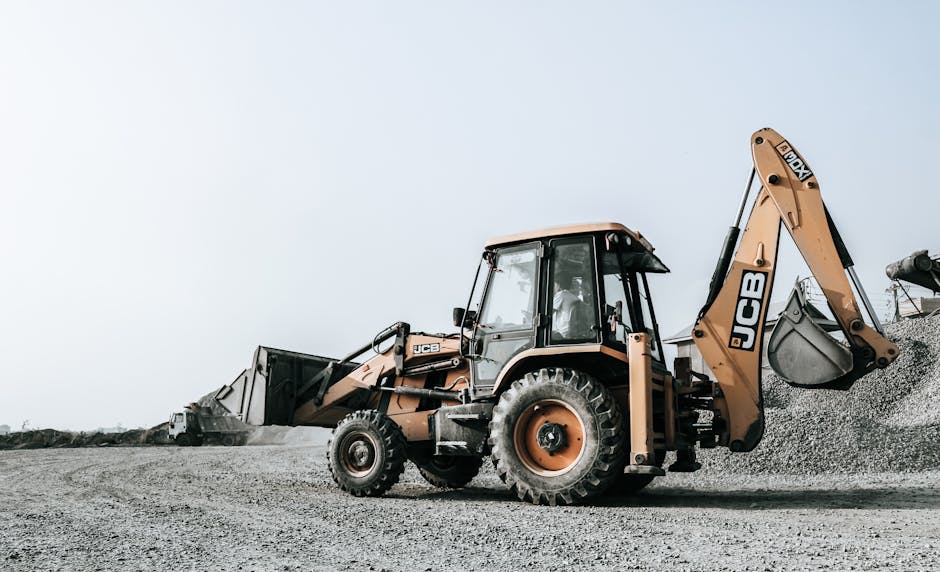
Occasional use tools are the biggest waste of capital in the construction industry. Unless you’re running a crew five days a week, that breaker is just a paperweight that costs money every year. By hiring, you get access to top-tier brands that you’d never be able to justify buying yourself.
Final Thoughts: Keep Your Bakkie Space Open
Before you go out and dump your hard-earned cash on a piece of machinery that will spend 360 days a year rusting in your garage, come talk to us. Tell us what you’re breaking, show us your site plans, and let’s figure out a hire schedule that gets your project done efficiently.
And remember: always check what you’re towing. If you’re coming to pick up a compactor or a professional-grade breaker, make sure your load is secured properly. Don't be the guy I have to lecture in the parking lot because your straps are loose!
Image credits: All tool and construction imagery sourced via Freepik. For more information on equipment standards, visit the SABS website at sabs.co.za. To see our current fleet of breakers and compactors, head over to Wenbro Hire at wenbrohire.co.za.