Multi zone mini split systems have revolutionized home comfort, especially in older houses where ductwork is impractical and original plaster walls and trim need preserving. But anyone who’s tried to DIY a multi zone setup quickly finds out that "easy installation" is not always so straightforward. That’s why a careful and well-prepared support call to the tech team can make or break the project.

Brands like Zone Air, MRCOOL, and Pioneer each offer promising features and tools that cater to homeowners who want to tackle multi zone planning with minimal contractor intervention. However, knowing the right questions to ask *before* purchasing can save headaches, preserve your home's aesthetics, and reduce future service calls.
True DIY vs Not-Really-DIY Mini Splits: Setting Realistic Expectations
There’s a big difference between genuinely rolling up your sleeves and doing a whole multi zone system yourself versus what I call the "not-really-DIY" kits. Many manufacturers market their products as DIY-friendly. However, when it comes to the electrical hook-up, refrigerant charging, line sets routing, and proper sealing, a licensed HVAC pro usually still needs to be involved—at least for inspection or final connections.
Before making your support call, be clear on the manufacturer’s stance. For example, MRCOOL has made waves by incorporating Quick Connect fittings, simplifying line set connection and refrigerant charging to an extent. But that doesn’t eliminate all technical challenges:
- Will your local code allow you to perform the entire installation without a licensed tech? (Spoiler: often not.) Does the system allow adding zones later without complex line set coiling or couplers? Are the warranties void if installation isn’t done by certified professionals?
When you call tech support, ask for explicit confirmation on what’s DIY and what’s a must-have pro step. It could mean the difference between a smooth install and costly callbacks.
The Aesthetic Impact: Air Handler Placement is a Decor Decision
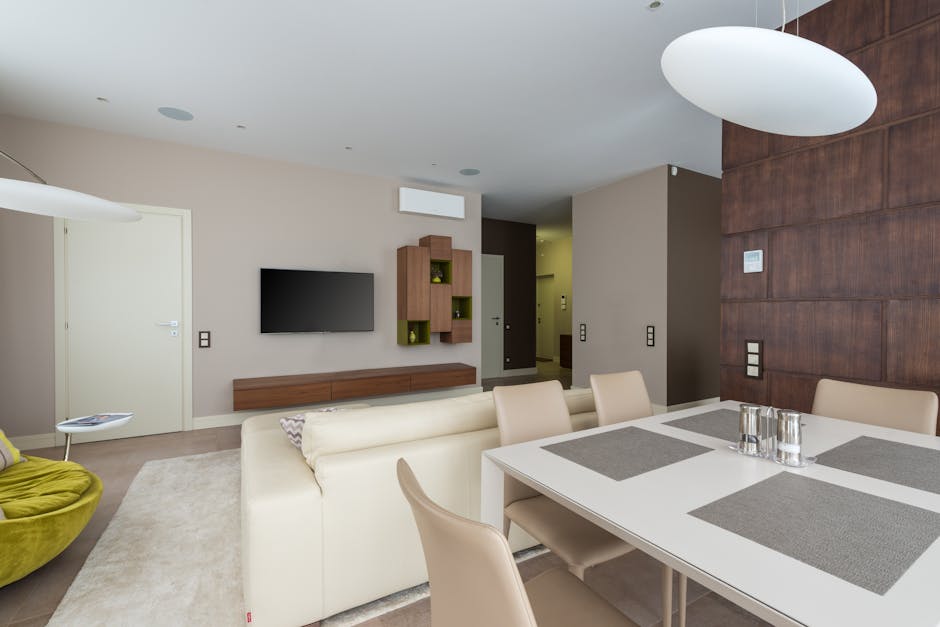
I can’t stress this enough. Mechanical decisions are interior design decisions. In multi zone planning, you’ll likely be hanging multiple wall-mounted or ceiling cassette air handlers knockoffdecor.com around your living space. Their placement will affect sightlines, furniture arrangements, gallery walls, and even how the line hides run outside your windows and patios.
One neat trick I've used multiple times on trickier jobs is to create cardboard cutouts the size of the air handlers to tape on your walls. This gives you a visual sense of scale, head height, and spatial dynamics. Before your support call, sketch or photograph your proposed layout:
- Where do you want each zone’s handler? How will the lines travel both inside and outside—including the look of the line set hide on the patio? Will any of the handlers obstruct artwork, moldings, or window trims?
When talking to Zone Air or Pioneer tech support, describe your intended layout and ask if their recommended head models will fit your dimensional constraints or if alternate models could improve aesthetics without sacrificing efficiency.
Line Set Strategy & Leak Risk: Don’t Gloss Over the Details
For multi zone mini splits, the line set installation is critical. Poorly managed line coiling or excessive use of couplers increases the leak risk exponentially. Many DIYers get lost in the details or overlook local code requirements:
- Where will the refrigerant lines physically run? Through walls, attics, or outdoor conduits? How long will each line run be? (Long runs affect system capacity and may require oil traps.) Can you avoid line set coiling, or will you need specialized insulation and freeze protection? Are quick connect fittings like MRCOOL’s compatible with the other system components or limited to specific models?
Your support call should include detailed questions such as:
What line set lengths are recommended per zone and overall system? Are couplers allowed in the line set runs, and if so, how many? What type of couplers are compatible? What causes most leaks in multi zone systems you’ve serviced, and how can I prevent them with my installer? How critical is refrigeration vacuuming and testing post-install to avoid leaks?While making these inquiries, it pays to keep your installer or HVAC technician involved, because adding or removing a coupler might seem trivial but opens up real concerns with warranties and efficiency.
Mixing Air Handler Types on One Condenser: Is It Allowed? How Does It Affect Control?
Multi zone systems often tempt people to mix and match air handler styles—wall mount, ceiling cassette, ducted—on a single outdoor condenser for tailored looks and room-specific needs. But this approach isn’t always plug-and-play.
When chatting with tech support at companies like Pioneer or Zone Air, ask questions like:
- Is mixing air handler types on a single multi zone condenser officially supported? Are there any firmware or communication limitations with mixed head types? (For example, will the remote control interface handle all models?) Do specific head units require dedicated zones, or can multiple types share the same zone designation? How do line set size and pressure drops differ with mixed loads?
Remember, in older homes with plaster walls and original trim, the difference between an air handler that requires surface-mounted conduit for electrical versus a more integrated ceiling cassette can massively impact the room’s feel. Mixing types is smart if you have areas hard to reach or want minimal visual disruption—just be sure your condenser and control board can handle it.
Using the Zone Air Build Your Own Tool: A Great Starting Point for Your System Configuration
If you’re overwhelmed by choices, take advantage of Zone Air’s Build Your Own tool. It’s a brilliant online configurator that allows you to pick your condenser model, add different air handlers per zone, and see estimated line set lengths and electrical requirements.
Couple this with your support call prep by bringing the tool’s summary or printout to your tech conversation. You can review:
- Whether the proposed system configuration matches your budget. How line sets will be routed and if the tool’s estimations align with your home’s physical layout. If the proposed mix of air handlers makes sense electrically and mechanically for the outdoor unit.
This is also a good moment to ask:
- Whether the system supports future expansion or zoning changes. How the warranty treats modifications after initial install.
Summary Table: Key Questions to Ask Tech Support on Your Multi Zone Planning Support Call
Category Key Questions Reason to Ask DIY vs Pro Installation- What steps must be done by a licensed HVAC tech? Does using quick connect fittings waive professional requirements? Will DIY installation affect my warranty?
- Which head models fit within my room dimensions? Can you recommend placement to minimize exterior line set visibility? Are there low-profile models for rooms with original trim?
- What is max recommended line length per zone? Are couplers permitted and how many? What are leak risk points to watch for? Is vacuuming required post-install?
- Can I mix wall mount and ceiling cassette heads on one condenser? How does control interface handle different units? Are line sets compatible across different head types?
- Can I add zones later without major line set changes? Does your Build Your Own tool reflect real-world installation constraints? What configurations void warranty?
Final Thoughts
Multi zone planning and system configuration are complex puzzles where mechanics, local regulations, and design aesthetics collide. Companies like Zone Air, MRCOOL, and Pioneer provide great starter kits and tools like the Zone Air Build Your Own tool or quick connect fittings that empower homeowners to take charge.
But at the end of the day, a clear, well-prepared support call, armed with specific questions on DIY boundaries, placement, line set strategy, and compatibility, will save you time, money, and “what-ifs.” And never forget to visualize air handler placement with cardboard cutouts and consider how line hides will look from your patio to keep your home both comfortable and beautiful.