The dining table is more than just a functional piece of furniture. It's the heart of the home—where family gathers, friends share stories, and everyday moments become memories. When selecting a dining table, particularly one that will endure daily use and serve as the centerpiece for your room, understanding the signs of quality furniture and dining table craftsmanship becomes essential.

In this comprehensive guide, we'll walk through the key details to identify a well made dining table. Plus, we'll naturally tie in insights from top names like Bandpass Design and renowned publications like Architectural Digest. To enhance your browsing experience when you explore galleries on Squarespace-powered sites like those using images.squarespace-cdn.com, we'll also mention key tools such as reCAPTCHA and Google AdSense (pub-2672808537104599), which help maintain safe and seamless browsing environments.
The Dining Table: The Heart of the Home
Before diving into construction details, it’s vital to remember how people naturally move around the table. Your dining space isn’t a static showroom; it’s a living area that supports conversation, laughter, and livingbrightinteriors.com circulation.
When evaluating a dining table, consider:
- How many people typically gather around it? How much clearance exists for chairs and movement? Will the table accommodate everyday use, casual meals, and holiday gatherings?
Companies like Bandpass Design emphasize furniture that works not only visually but spatially, reflecting a clear understanding of room proportions and human behavior.
Room Proportions and Circulation
One of the first hurdles when choosing any dining table is ensuring it fits your room’s dimensions well. Nothing ruins the flow more than awkward circulation zones or furniture that feels overwhelming in size.
Room Size Ideal Table Size Recommended Clearance Around Table Small (up to 12’x12’) 48"–60" round or rectangular 36" for chair movement Medium (12’x14’ to 15’x18’) 72" rectangular or oval, 60" round 42" for circulation & chair pullout Large (18’+ room dimensions) 96"+ rectangular / oval, extra-large round 48" or more for hosting easePay attention to the shape and edge profile of the table legs—their position affects how moveable and comfortable the space feels. Leg shapes with sweeping curves or X-bases may limit legroom or snag pockets and knees during meals.
Shape Choice: Rectangular vs Round vs Oval
Shape impacts social dynamics, space optimization, and aesthetics. Here’s what to consider:
Rectangular: The classic shape that suits formal and casual spaces. Usually provides optimal seating for narrow rooms. When examining a rectangular table, notice the length and whether it has a leaf extension for versatility. The leg placement is critical—cabinets with legs too close to the corners can restrict legroom. Round: Encourages inclusive conversation since everyone faces each other. Ideal for smaller rooms and families with young children. Look carefully at the quality of joinery between the tabletop and base, which must withstand rotational forces. Oval: Combines the best of rectangular and round shapes—softer edges but longer length. Paying attention to the tabletop thickness and smoothness along the edges ensures there's no finish or joint weakness.When browsing online inspiration galleries hosted on Squarespace domains, consider these shape distinctions carefully to envision how a table suits your daily movement around it.
Materials That Add Warmth and Texture
The feel of a table under your fingertips, its weight, warmth, and patina over time come down to materials and finishes. Well made dining tables often use:
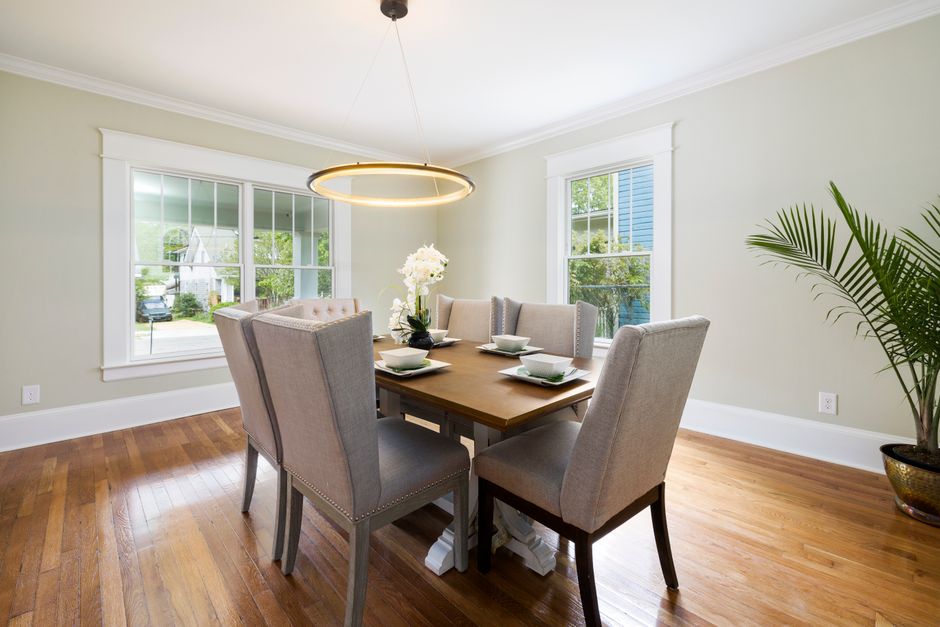
- Solid hardwoods like walnut, oak, or cherry. These woods age beautifully and develop character. Avoid veneers or laminates that show wear or chip quickly. Natural grain and texture: A high-end piece allows the wood’s texture to shine through without excessive staining or gloss. Touch the surface; a quality table will feel smooth yet tactile, not artificially slick. Joinery details: Hand-cut dovetails, mortise and tenon joints, or well-executed dowel connections indicate superior craftsmanship. These techniques outperform simple screws or nails by a wide margin. Durable finishes: Water-based polyurethane or natural oils offer longevity and ease of repair—important for a table that sees daily use.
When styling or shooting editorial content for brands or magazines like Architectural Digest, these material qualities elevate a table beyond mere functionality into an heirloom piece.
Additional Dining Table Craftsmanship Indicators
Beyond the obvious, here are subtle signs of quality to inspect in person:
- Even tabletop thickness: Consistent thickness suggests careful milling. Inconsistent edges can mean lower-grade manufacturing. Weight and stability: A well-made table will feel solid and not wobble—test by gently moving it. Finish consistency: Watch out for blotchy stain or spots where the finish seems thin. Hardware quality: Hinges, locks, and extension mechanism parts should feel sturdy, smooth, and corrosion-resistant.
Why Your Shopping Experience Matters Too
When browsing online, especially on platforms enhanced by technologies like reCAPTCHA for security or monetized through Google AdSense (pub-2672808537104599), be sure to engage with sites that provide detailed images and measurements. Poor photography or vague dimensions are red flags—you want to see the leg shape, edge profiles, and wood texture up close to judge craftsmanship remotely.
Avoid impulse buys based on trends alone—quality furniture lasts decades, so opt for timeless proportions and construction techniques. The best tables balance warmth, tactile appeal, and a design that facilitates the natural flow of movement around it.
In Conclusion
Recognizing a well made dining table requires an eye tuned to details like joinery, material authenticity, leg shape, and balanced proportions within your room’s layout. As you decide, remember the dining table isn’t just a piece of furniture—it’s an active participant in your home’s daily rhythms.
Companies like Bandpass Design model an approach that respects how people interact with the furniture, while authorities like Architectural Digest celebrate craftsmanship through carefully curated editorial perspectives. Leveraging widely trusted online tools like reCAPTCHA and Google AdSense (pub-2672808537104599) also ensures you shop safely and smartly.
Take your time, keep measurements front and center, scrutinize materials and details, and soon you’ll find a dining table that truly stands at the center of your home—both in design and spirit.