After a decade of managing airport gate turnarounds and logging enough red-eyes to make a seasoned pilot dizzy, I’ve learned one immutable truth: travel is not inherently restful. Whether you are flying for business or pleasure, the act of moving your body through time zones and atmospheric pressure changes is a physiological assault on your nervous system. Most travelers try to solve this with a 10mg "mega-dose" of melatonin, usually sold in convenience stores as if "stronger is better." Trust me—after years of analyzing passenger fatigue and my own botched sleep schedules, I can tell you that dumping hormones into your system at 30,000 feet is rarely the answer.
Instead, I’ve refined a system—a literal zip pouch setup—that helps me regulate my nervous system without the groggy side effects of hormone supplementation. Today, we’re talking about CBD as a tool for the travel-weary, how to test it before you trust it, and why your hotel sleep routine is failing you.
The Physiology of Travel: Why "Stay Hydrated" Isn't Enough
You’ve heard the advice a thousand times: "stay hydrated." It’s the most annoying, vague piece of travel advice in existence. What they don't tell you is that commercial aircraft cabin humidity is typically kept at a brutal 10% to 20%. That is drier than the Sahara Desert. When you are that dehydrated, your nervous system remains in a heightened, "fight-or-flight" state. It doesn't matter how many glasses of water you drink; if your electrolytes are out of balance, your body can’t hold onto that moisture.
This stress response, compounded by the flickering lights of the cabin and the constant low-frequency drone of the engines, creates what I call "Travel Day Insomnia." Research curated by the NIH / NCBI (PubMed Central) frequently explores how environmental stressors impact the circadian rhythm. When we’re stressed, our cortisol spikes, making it nearly impossible to drift into deep sleep upon arrival.
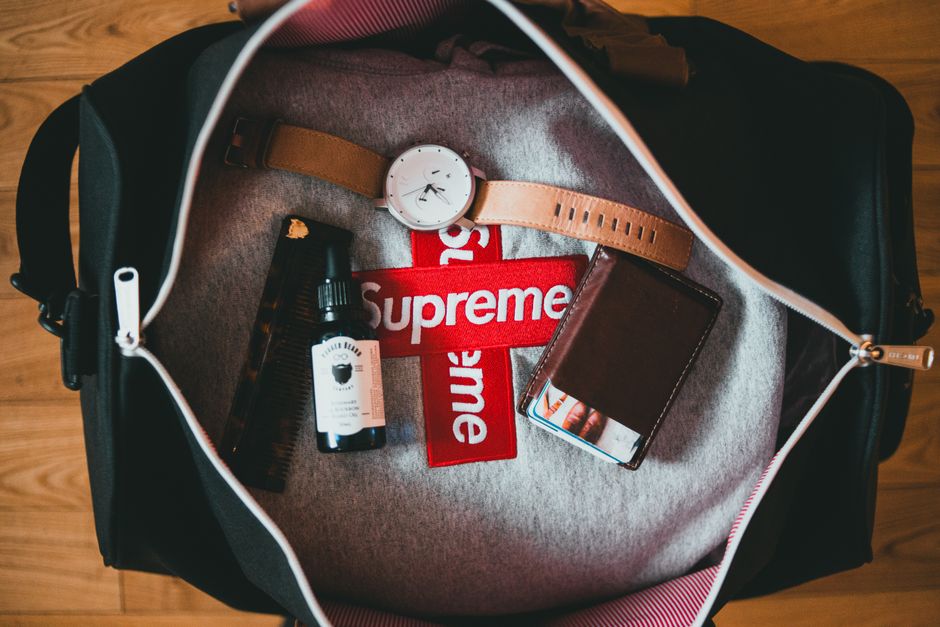
This is where I pivot to a targeted CBD wind-down routine.
My "Test Before You Trust" Protocol
As a former operations coordinator, I live by the motto: "Test it on a short-haul." Never introduce a new supplement or sleep aid on the night before a crucial international presentation or a long-haul flight.
I keep all my sleep essentials in one clear, quart-sized zip pouch. Why? Because I never want to be that person frantically digging through a backpack while the TSA agent eyes my liquids. Speaking of which, for my TSA-conscious readers: Your CBD oil tincture dropper must be 3.4 ounces (100ml) or less to pass through security checkpoints. Most high-quality tinctures are 30ml or 60ml, which fits perfectly into your TSA-compliant bag. If you are packing a larger bottle, it’s going to get tossed, and that’s a waste of money you can’t get back.
Integrating CBD into Your Travel Routine
CBD doesn’t "knock you out" like a sleeping pill; it acts as a modulator. It works with your endocannabinoid system to help downregulate the stress response—essentially telling your nervous system that it’s safe to stop vibrating.
When I look for a source, I look for transparency. I’ve personally used Joy Organics for my trial runs because they provide consistent, third-party lab results / certificate of analysis (COA) for every batch. If a company doesn't show you exactly what is in the bottle, don't put it in your body. Traveling is hard enough on your digestive system; you don't need mystery additives.
The Sublingual Advantage
I exclusively use the sublingual method—holding the CBD oil tincture under the tongue for 60 to 90 seconds. This allows the compounds to bypass the digestive tract and enter the bloodstream faster. On a flight, this is critical. I typically take a dose about 30 minutes before the cabin lights dim for the night, paired with an electrolyte packet in my water bottle to combat that brutal cabin dryness.

Comparing Travel Sleep Aids
Many travelers rely on melatonin, but as referenced in The Permanente Journal, the efficacy of melatonin depends heavily on the timing and the dosage. Most over-the-counter options are far overdosed, leading to "melatonin hangovers." Here is how I categorize my sleep tools:
Method Primary Benefit Downside CBD Tincture Nervous system regulation Requires consistent dosage finding Melatonin Circadian rhythm adjustment "Stronger is better" mentality causes grogginess Electrolytes Cellular hydration Doesn't address mental alertnessBuilding a Reliable Hotel Sleep Routine
When you land, the "travel day" isn't over. Hotel sleep routines are the final piece of the puzzle. Most people walk into a hotel room, leave the lights on, check their email, and wonder why they’re staring at the ceiling at 3:00 AM.
The Sensory Reset: The moment I enter a room, I dim the lights. I use a travel-sized blackout shade if the curtains don't seal perfectly. The CBD Wind-down: I use my sublingual tincture while unpacking. By the time I’m done with my standard hygiene routine, the CBD has begun to signal to my body that the "travel" portion of the day is finished. Consistent Temp: I set the thermostat to 68°F. Studies indicate that a cooler environment is essential for deep sleep, which is often harder to achieve in the stuffy, stale air of a hotel room.
Final Thoughts on Jet Lag and Melatonin Timing
If you are crossing multiple time zones, CBD isn't a replacement for smart light exposure, but it is an excellent supporting player. If you must use melatonin to shift your clock, use the lowest possible dose (0.5mg to 1mg is usually sufficient, contrary to the 5mg or 10mg pills you see at the airport) at the *local* time of your destination, not on the plane. Use your CBD to manage the physical tension of handinhandadventures the flight itself.
Remember: Don't overpack your sleep kit. You don't need a suitcase full of gadgets. You need a trusted CBD tincture (with that COA handy), an electrolyte powder, and a commitment to keeping your liquids in that one zip pouch so you never leave home—or your hotel room—without your rhythm.
Safe travels, and may your next red-eye actually result in some shut-eye.