After twelve years of walking through London’s hospitality scene, I’ve learned one immutable truth: if a flooring material looks flawless on opening night but gives way under the pressure of a Friday night shift, it isn't "value for money"—it’s a ticking time bomb. I spend a lot of time looking at snag lists, and I can tell you that nine times out of ten, the failure isn't in the middle of the room. It’s in the corners, the transitions, and the wet zones. So, let’s talk about that middle-tier LVT bracket: the £35-£60 per sqm installed range. Is it the budget hero we’ve been promised, or a false economy waiting to bankrupt your maintenance budget?

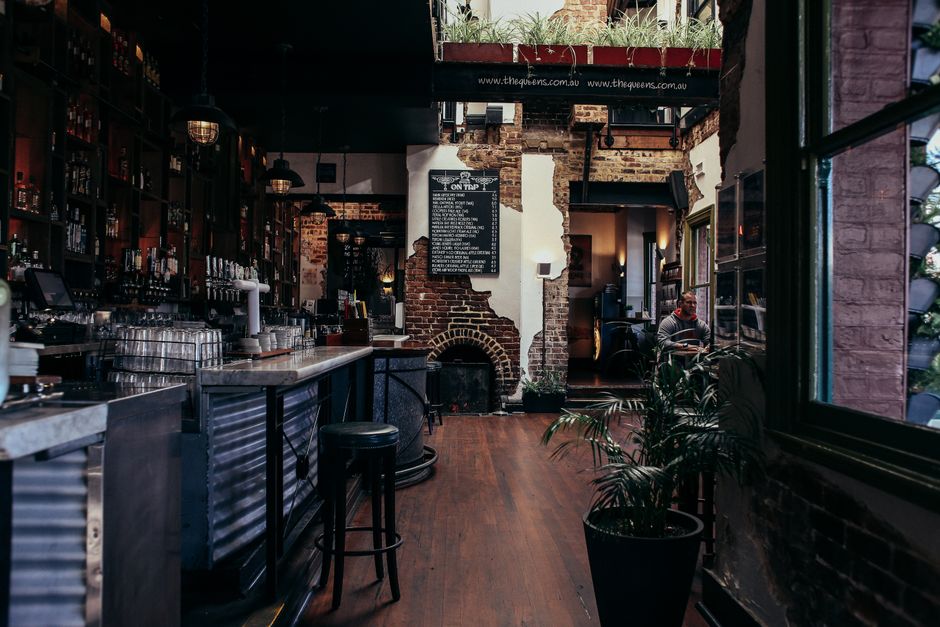
Every time a project manager tells me they’ve found a "high-end residential" LVT that will hold up in a bar environment, I ask them the same question: "What happens behind the bar on a Saturday night?" Because behind that bar, you don't just have foot traffic. You have ice melt, spilled acidic mixer, heavy kegs being dragged across junctions, and staff running at a pace that destroys weak edges. If your flooring can’t survive that, you’re not saving money; you’re planning for a 5-7 year replacement cycle.
The £35-£60 Trap: Domestic vs. Commercial Grade
The market is flooded with products marketed as "luxury" within the £35-£60 per sqm installed bracket. Here is the danger zone. https://lilyluxemaids.com/premium-lvt-at-35-60-per-sqm-is-it-false-economy/ Manufacturers are masterful at marketing: they offer photo-realistic wood grains and high-density cores that satisfy the interior designer’s vision. But peel back the spec sheet, and you often find residential-grade wear layers.
In high-traffic commercial venues, the total cost of ownership (TCO) is not just the price of the material and the adhesive. It is the cost of the downtime when you have to close the doors to replace a failed floor. When you use residential-grade LVT in a commercial setting, you are essentially gambling that the product will outlive the lease. Most of the time, in a high-turnover venue, it won’t.
The Total Cost of Ownership (TCO) Reality Check
Let's look at the numbers. If you pay £45 per sqm for an LVT that looks fantastic in Month 1 but fails in Year 3, you are paying for the product twice in a six-year period, plus the massive cost of subfloor prep and operational closure. If you’d invested in a commercial-grade, heavy-duty solution—or even a more robust resin application from a firm like Evo Resin Flooring—you might have paid more upfront, but the cost over ten years would be significantly lower.
Metric Budget/Resi LVT (£35-£60) Commercial Grade / Resin Expected Life 3–5 Years 10+ Years Resistance to Keg/Chair Drag Low (Surface scratching) High Transition Failure Risk High (Edge peeling) Low (Seamless) Cleaning Effort Moderate (Grout/Joint debris) Low (Monolithic)Slip Resistance: The DIN 51130 Standard
If you aren't paying attention to the DIN 51130 slip resistance ratings, you are setting yourself up for an insurance nightmare. In the UK, we often see designers picking floors that look great but lack the necessary R-rating for the specific zone.
- R9: Mostly for dry, low-traffic areas. If you put this near a bar, you’re negligent. R10: The minimum for general dining areas, but don't expect it to hold up if drinks are spilled regularly. R11-R12: The gold standard for commercial kitchens, bar prep areas, and high-spill zones.
Ignoring wet-zone planning is a classic rookie mistake. I’ve walked into brand new venues where the "premium" LVT ends right where the wet-zone begins, creating a "transition zone" that isn't sealed. Water seeps into the joints, the adhesive fails, and the edges curl. Suddenly, your high-end https://tessatopmaid.com/how-to-choose-flooring-for-a-venue-that-is-wet-for-hours-each-day/ interior looks like a DIY disaster. If you choose LVT, you must use heat-welded seams or properly specified, sealed junctions. Anything less is just waiting for the first mop-bucket spill to wreck your project.
Hygiene, HACCP, and the "Easy Clean" Lie
I get genuinely annoyed when I hear sales reps pitch LVT as "easy clean" simply because it’s non-porous. That ignores the reality of the joints. Even with the tightest click-system or glue-down LVT, you have thousands of linear metres of joints. Over time, those joints collect grease, moisture, and debris.
If you are operating a venue that falls under the jurisdiction of the Food Standards Agency (FSA), your floor must be easy to clean and disinfect to meet HACCP requirements. LVT with visible seams or textured surfaces often fails these inspections because, let’s be honest, you aren't going to get a toothbrush into those joints every night. In kitchens and bars, you need a non-porous surface that allows for a seamless transition up the wall (coving). You can't achieve this with standard LVT. When inspectors see unsealed edges behind a bar or in a kitchen, they know exactly what’s growing underneath the planks.
Sector-Specific Needs: Barbershops, Restaurants, and Bars
The requirements for flooring shift wildly depending on the business model:
1. The Barbershop
You might think, "It’s just hair," but consider the chemicals. Hair colourants and bleaches are caustic. A cheap, porous LVT will stain within months. You need a highly durable, chemical-resistant finish. If you stick with LVT, look for a high-performance PU coating, but accept that those fine hair trimmings will eventually find their way into the joints regardless of how well it's laid.
2. The Restaurant
The dining floor takes a beating from chair legs. I’ve seen £50 per sqm LVT lose its aesthetic appeal after two years of shifting furniture. If you’re going for LVT, specify a heavy-commercial wear layer (0.7mm or higher) and ensure your contractors use a high-temperature-stable adhesive—especially near window-fronts where solar gain will make the floor expand and "tent" in the summer.
3. The Bar
The danger zone. Here, the rule of "one floor suits the whole site" is the most common reason for failure. Never carry your dining LVT into the bar prep area. Use a seamless resin finish—this is where companies like Evo Resin Flooring demonstrate why you pay for performance. By using a liquid-applied system, you remove the joints entirely, creating a surface that can be hosed down and remains compliant with the most stringent hygiene standards.
The Final Verdict: False Economy?
Is £35-£60 per sqm LVT a false economy? It depends on where you put it.
If you use it in a low-traffic lobby or a boutique retail unit, it is perfectly adequate. But if you are using it in a busy London venue, believing it will survive the onslaught of a Saturday night, you are ignoring the physics of flooring. By the time you account for the expensive subfloor preparation required to make LVT look good, the cost-benefit narrows significantly. Once you factor in the high probability of edge-peeling, joint-failure, and the 5-7 year replacement cycle, the "cheap" option is actually your most expensive choice.
My advice to any project manager? Stop looking at the price-per-sqm and start looking at the total cost of maintenance. If the product isn't rated for the traffic, the slip-hazard, and the cleaning regime of your specific site, it’s not an investment—it’s an opening-week material that will be looking tired before the first year is even out. Spend the money on a floor that actually works for you, rather than one you’re constantly babysitting.