If you’re shopping for a DIY mini split, you’ve probably seen a few eye-catching options like the 24 SEER2 230V 9,000 BTU models and the popular 23 SEER2 115V options. One notable example is the Zone Air DIY 9,000 BTU 23 SEER2 115V wall mount, currently priced at $1,899.99 — down from $2,499.99 (a 24% discount!). But there’s also a 24 SEER2 230V 9K at $1,949.99 tempting those who want a bit more efficiency and power. How do you decide which one is right for you?
Let’s dive deep into this choice: the pros and cons of 24 SEER2 230V versus 23 SEER2 115V, why sizing by BTU and square footage matters, hidden costs and tools you might need, and how to avoid the classic DIY install errors (like kinking your lineset).
Understanding Mini Split Efficiency: What’s the Deal with SEER2 Ratings?
SEER2 (Seasonal Energy Efficiency Ratio) is the updated standard measuring air conditioner and heat pump efficiency during typical seasonal operation. Simply put, a higher SEER2 means better energy savings. But the jump from 23 to 24 SEER2 might look small at first glance — is it?
Model Voltage BTU SEER2 Price Zone Air DIY Wall Mount 115V (Plug-in) 9,000 23 $1,899.99 (24% off from $2,499.99) 24 SEER2 Model 230V Hardwired 9,000 24 $1,949.99On a purely theoretical level, a 1 SEER2 jump translates into roughly 4-5% better efficiency. Over a year running your unit, that can mean modest savings on electricity bills. However, the electrical system matters — 230V systems tend to deliver better performance due to stable power delivery and lower amperage draw.
115V Plug-and-Play Convenience vs 230V Performance
The 115V model blows hot and cold right out of your standard plug — no electrician needed for most DIYers. It’s perfect for renters, or those not comfortable wiring a 230V outlet. This plug-and-play convenience is a big reason mini split cost installed many people fall for models like the Zone Air unit on Amazon with plug-and-play installation.
- 115V Pros: No electrician, easier swap-outs, good for small spaces. 115V Cons: Slightly less efficient, sometimes less powerful on extremely hot or cold days. 230V Pros: Stable power, better efficiency, better for larger single or multi-zone systems. 230V Cons: Requires electrician for outlet installation, added labor cost, more setup time.
Remember: if your home doesn’t already have a 230V receptacle nearby, that convenience factor can quickly be overridden by electrician and permit fees. Better to factor that in at the start.
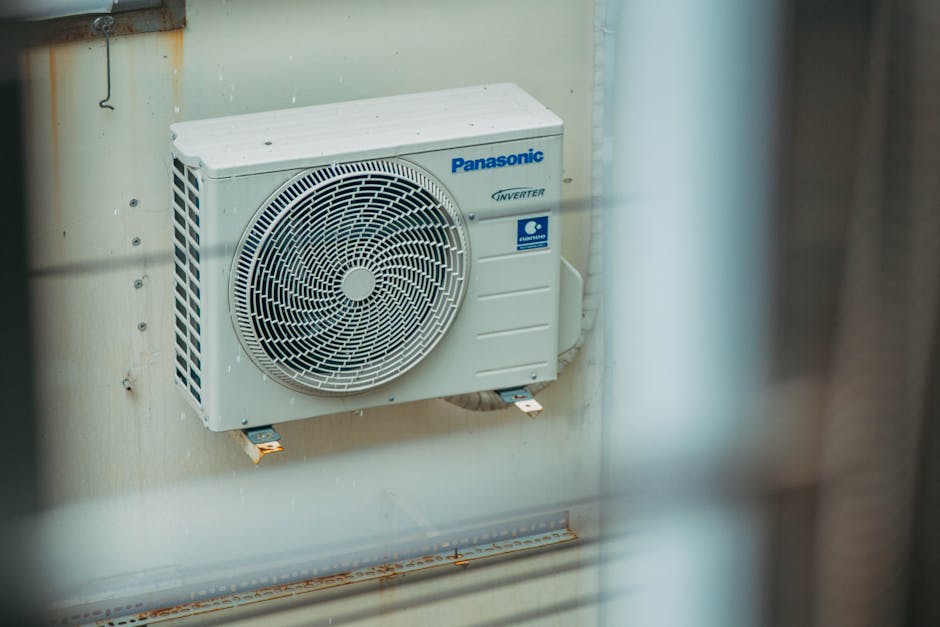
Sizing Your Mini Split: BTUs and Rough Square Footage
How do you pick the right BTU size? Here’s where I like to remind DIYers: do NOT just oversize because “bigger is better.” A 9,000 BTU unit is roughly ideal for a 350 to 450 square feet living space — think a large bedroom, home office, or small living room.
Trying to heat or cool spaces bigger than this with a 9K will cause the unit to cycle more, reducing efficiency and comfort. Conversely, choosing a 12K for a 350 sq. ft. room means higher upfront and operating costs without real benefit.
Before buying, use the Zone Air free sizing calculator online — it’ll estimate the ideal BTU based on your square footage, climate, room insulation, and window exposure. Bonus: they even have a Zone Air rebate calculator to help you factor in local incentives.
Quick BTU to Square Foot Translation
BTU Approx. Square Footage Coverage 6,000 250 - 300 sq. ft. 9,000 350 - 450 sq. ft. 12,000 450 - 550 sq. ft.Pre-Charged Quick-Connect DIY Mini Splits: A Game Changer
One of the biggest advances making DIY mini splits feasible is the pre-charged lineset with quick-connect fittings. This means fewer leak worries and no complex vacuum pump setups required for the installation. Both 115V and 230V units from reputable brands like Zone Air use this system now.

- Quick-connect pros: Easy line set hookup, reduced risk of leaks, faster installs. Don’t do: DO NOT kink your lineset. If you happen to kink lineset tubing, replace it rather than trying to straighten it out — that kink will lead to refrigerant leaks and costly callbacks down the line.
This isn’t just a “nice to know,” it’s an absolute essential to avoid waste of both money and time. Quality linesets come pre-charged and matched to the unit, so use them as intended.
Single-Zone vs Multi-Zone Planning
Are you cooling or heating one room or multiple rooms? This makes a big impact on whether you might prefer the 230V or 115V option.
- Single-zone setups: 115V plug-in units excel here, especially if only one room needs conditioning. Multi-zone setups: 230V units often power better multi-zone systems with smoother operation and better efficiency at scale.
If you plan to add zones later, it’s worth starting with a 230V platform capable of handling multiple View website indoor heads, or modular units designed for integration by platforms like Zone Air.
Smart Home Integration: Alexa and Google Assistant
Both SEER2 24 230V and 23 115V Zone Air models support smart controls compatible with Amazon Alexa and Google Assistant. That means you can control your unit’s temperature with voice commands or app schedules — perfect for saving energy and adding convenience in your daily life.
This is a great feature regardless of your voltage choice — it helps maximize comfort without complicated control panels.
Hidden Costs and Tools: What You Need to Budget For
Don’t just budget for the unit. Consider these hidden costs for each choice:
- 230V systems: electrician for dedicated 230V line, possibly permits, and related materials. 115V systems: usually no electrician needed but may need an outlet upgrade for high amps. Tools: Refrigerant leak checkers, line wrenches (for refrigerant lines), levels, drill bits, a vacuum pump usually NOT needed for pre-charged quick-connect but good to have if troubleshooting. Time: DIY installations can take anywhere from 4 to 10 hours depending on your skill.
If This Is You, Call a Pro
- You’re uncomfortable working with electrical wiring — especially 230V circuits. You don’t have the right tools, or your lineset accidentally got kinked. Your sizing is unclear or your home layout is complex (multi-zone HVAC often requires careful planning). You don’t want to risk losing your warranty due to improper install.
Mini splits are amazing when done right, but they demand respect during installation.
Summary: Which DIY Mini Split Should You Buy?
- Go for the 23 SEER2 115V Zone Air model at $1,899.99 if you want plug-and-play ease, have a smaller room around 350-450 sq. ft., and want to avoid electrician fees. Choose the 24 SEER2 230V $1,949.99 model if you want that extra bit of efficiency, have the electrical setup or budget to install a 230V outlet, or are planning multi-zone expansion. The better power delivery can add to comfort in extreme weather.
Use the Zone Air free sizing calculator and Zone Air rebate calculator before final decisions to get the units properly sized and factor in savings.
Remember to protect your investment: never kink the lineset — replace it if damaged. And consider your home’s electrical constraints seriously.
Happy DIY mini split installing! With the right tools and planning, you’ll be sipping a cold drink while your new Zone Air mini split quietly takes care of the temperature.