The dining table is more than just a piece of furniture — it’s the heart of the home. It’s where family dinners unfold, friends gather, kids do homework, and celebrations linger late into the evening. Because of this, choosing a dining table isn’t just about the latest style trend or what’s “Instagram-worthy.” It’s about picking a classic dining table design that serves your needs today and remains beautiful and functional for years to come.
Over my decade of helping families and small-space apartments stage dining rooms, I’ve seen some key principles come up again and again in creating a dining space that feels welcoming and endures changing tastes. Before diving into specific tips, make sure your choice balances form and function — not just a showpiece but something you can live with comfortably.
1. Consider Your Room Proportions and Circulation
Before you obsess over style or material, step back and measure your dining area carefully. I always look first at how people move around the table — movement patterns matter because no one likes bumping knees or snagging pockets on awkward leg shapes or sharp edges.
Here’s an essential checklist for room layout:
- Allow at least 36 inches of clearance between the table edge and walls or any obstructions like cabinetry or seating. Plan for 24–30 inches of width per seat — not just in length but width, to ensure elbows aren’t cramped. Consider how many people you frequently seat. If you entertain or have a large family, an extendable table may be worthwhile.
In one recent collaboration with Bandpass Design, we emphasized circulation flow around a rectangular table in a small urban apartment. Thoughtful spacing allowed for easy passage behind seats, https://cleaneverycorner.com/round-vs-rectangular-dining-table-for-everyday-family-dinners-which-feels-better/ and selecting a slim pedestal base prevented the typical snagging on table legs. Remember, the right leg shape and edge profile often matter more than color or finish when preventing scratches or sleeves catching.
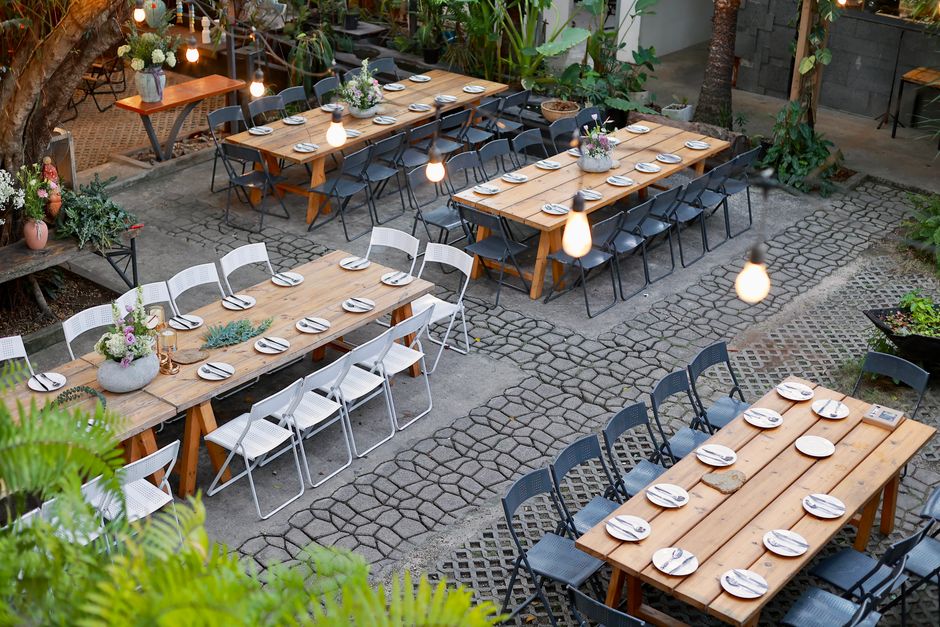
2. Shape Choice: Rectangular Vs. Round Vs. Oval
The table shape impacts not only how your room feels but also how people interact.
Shape Best For Pros Cons Rectangular Long narrow rooms, larger groups Formal appearance; easy to add extensions; clear zone separation Tighter corners can snag knees; less intimate conversation on long tables Round Smaller rooms, intimate gatherings Encourages conversation; no sharp edges; easier circulation around Limited seating capacity; harder to extend Oval Rooms needing softer lines but with more seating Soften hard corners; balances intimacy and capacity; elegant shape Can be trickier to fit in tight corners; fewer industry standard extensionsWhen I advise clients, the shape often depends on how they move around the table and social dynamics. Round tables naturally encourage equal conversation—everyone can see each other without craning necks. Oval shapes offer a gentle compromise, avoiding harsh angles while providing added seating. Rectangular tables suit long rooms and when space or guest numbers require flexibility.
Architectural Digest often showcases mid-century pieces with sculptural pedestal bases and rounded edges, which marry functionality with flair — that lasting visual appeal resists fleeting trends well.
3. Materials That Add Warmth, Texture, and Longevity
Look beyond color right away—first notice the leg shape and edge detail, then evaluate materials for warmth and texture. Tables that feel tactile and substantial tend to age gracefully.
- Solid Wood: Timeless and durable. Oak, walnut, and maple are favorites for their strength and elegant grain patterns. A well-oiled wood surface invites touch and grows patina over time. Reclaimed or Distressed Wood: Adds character and texture. Avoid overly rustic finishes that become dated quickly or snag on fabrics. Metal Frames with Wooden Tops: Industrial elements can balance softness, but beware harsh edges or railings that catch clothing. Stone or Glass Insets: Use sparingly. They can modernize a look but can feel cold or show scratches easily.
Personally, I have a mental list of “things that snag pockets or knees” — sharp metal corners, awkward overhangs, or thin metal legs near chairs. The leg style can make or break daily comfort. Tables from brands like Bandpass Design emphasize sturdy, thoughtful leg proportions that balance clean lines with robustness.
4. Choosing a Classic Dining Table Design That Works Long Term
Classic design sidesteps trends by focusing on balanced proportions, quality materials, and Home page and subtle details. Think about what will look good not just now but in 5, 10, or even 20 years.
Neutral Finishes: Opt for wood tones or matte finishes that complement many styles rather than shiny or ultra-dark lacquered surfaces that can date quickly. Pedestal vs. Four Legs: Pedestal bases free up leg room and avoid knee clashes, but four-legged tables often look more traditional and sturdy. Extendable Options: Consider built-in extensions for versatility—great when guests arrive but compact daily. Simplicity in Detail: Avoid oversize carvings or overly trendy motifs. Fine edge profiles or subtle bevels add interest without shouting for attention.When gathering images and real-room examples for blog posts, we utilize trusted sources like Squarespace’s image CDN to ensure pristine, high-resolution photos. This helps our editorial content maintain consistent quality without relying on pull-from-the-web images that might change or disappear.
5. Integrating Your Dining Table With Tech Tools and Monetization
If you are blogging about dining rooms or tables, integrating tools like reCAPTCHA and Google AdSense (publisher ID: pub-2672808537104599) can help maintain site security and monetize effectively. These tools ensure your readers focus on your well-crafted advice without interruption by spam while your site earns income to keep creating helpful content.
Final Thoughts: Embrace Movement, Proportions, and Timeless Craftsmanship
Think about it: remember, the dining table is a social magnet where people move around frequently. Choosing a shape and leg design that encourages smooth circulation without snagging is as crucial as choosing colors or finishes. Always prioritize function—how the table feels day-to-day—before chasing visual trends. Invest in quality materials with textures and warmth that age gracefully.
By focusing on these fundamentals, you’ll select a versatile dining table with long lasting style that stays the centerpiece of your home’s heart, season after season.
For inspiration and quality craftsmanship, check out brands like Bandpass Design and sources like Architectural Digest. They showcase how classic pieces work beautifully in real family homes, not just furniture showroom sets. ...but anyway.