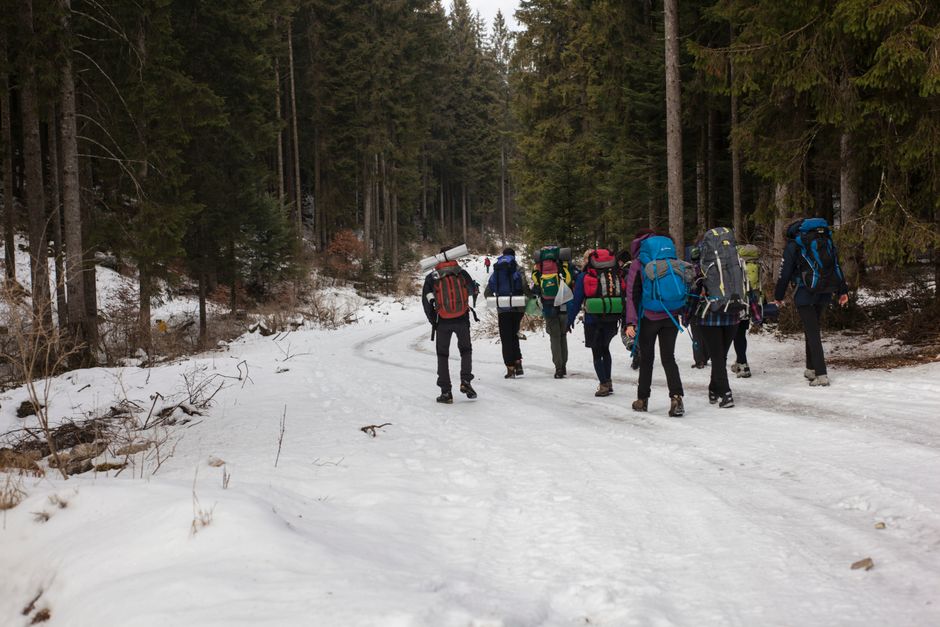
For many adults, forging deep friendships can feel more challenging than it did in school or early career days. After those phases of life—when social circles were more naturally structured—friendship often requires more intention. The U.S. Department of Health & Human Services (HHS) notes that social connections are vital to mental and physical well-being, yet structural barriers frequently hinder meaningful relationship-building as we grow older.
Group travel, especially with small, interest-based trips, offers a unique antidote to those barriers. Companies like Hero Traveler and Camp Social design shared itineraries that not only showcase new destinations but create the perfect conditions for friendship to take root through group travel rapport, repeated contact friendship, and shared itinerary bonding. Let’s explore how these small-group adventures transform strangers into friends.
Why Adult Friendships Are Harder to Form
Friendships naturally formed in childhood and early work environments tend to thrive on proximity and frequent interaction. However, after school and initial jobs, the social landscape changes dramatically. Here are some structural challenges:
- Busyness: Adults juggle careers, families, and countless commitments, squeezing out time for new socialization. Shallow Online Ties: Social media often fosters a surface-level connection rather than deep bonds, making it hard to convert “followers” into friends. Transactional Work Relationships: Professional networks emphasize productivity and outcomes rather than genuine personal connection.
According to research cited by the U.S. Department of Health & Human Services (HHS), this reduces opportunities for repeated face-to-face contact, which is essential for trust and emotional closeness.
The Science of Friendship: More Than a Click
Friendship formation is a process, not an event. Social psychologists emphasize two core ingredients: repeated contact and shared experiences.
Repeated Contact Friendship
The “mere exposure effect” suggests we tend to grow fond of people we see regularly. Repeated encounters build familiarity and reduce social anxiety, encouraging people to open up.
Shared Experience Bonding
Doing things together—whether hiking, cooking, or exploring a new city—creates shared memories and inside jokes that fuel connection. These experiences act as a social glue, making bonds more resilient.
How Small Group Travel Creates Natural Time Together
Small group travel itineraries, such as those offered by Hero Traveler and Camp Social, are designed to maximize the two friendship basics: repeated contact and shared experiences.
- Intentional Group Size: Groups typically range from 8-15 participants, small enough to foster intimate interactions without being overwhelming. Curated Shared Activities: From local cooking classes to guided hikes, these activities encourage teamwork, conversation, and laughter. Natural Time Windows: Meal times, downtime, and transit periods provide relaxed settings for informal socializing that isn’t forced or scripted.
This setup enables what I often describe as the moment a group shifts herotraveler.com from polite acquaintances to authentic companions. When people share meaningful moments and see each other consistently, rapport naturally flourishes.
Case Example: Camp Social
Camp Social’s trips emphasize intentional icebreakers and organic conversation, avoiding typical networking clichés. Their facilitators even bring tools like earplugs to help participants manage overstimulation, encouraging balance between social engagement and personal space.
The results? Participants often report feeling “seen” and valued more than in typical social settings—an essential foundation for lasting friendships.

Case Example: Hero Traveler
Hero Traveler combines immersive travel with a community-building approach that helps people form deep connections via shared itinerary bonding. Their model focuses on people loving the place and the people simultaneously; the destination serves as a constant conversational backdrop that helps everyone open up.
Visualizing Friendship Formation in Group Travel
To better illustrate these concepts, here is a simplified flow of how friendships often develop on group travel trips:
Stage What Happens Emotional Shift Arrival & Orientation Introductions, icebreakers, setting expectations From stranger to acquaintance Shared Activities Begin Group outings, meals, collaborative tasks Initial connection, building rapport Repeated Interaction Daily encounters, informal chats, downtime conversations Comfort, vulnerability, trust Shared Challenges & Joys Overcoming travel hiccups, celebrating highs together Strong emotional bonds form Departure Exchange contacts, plan future meetups Transition from trip friends to lasting friends
Tips for Travelers to Maximize Friendship Building
Be Present: Put away distractions to fully engage with the group. Participate in Activities: Shared experiences ignite connection. Use Icebreakers Wisely: Genuine questions beat small talk. Balance Social Time and Alone Time: Recharge when needed—authenticity helps bond. Follow up After the Trip: Keep the connection alive via email or social media.If you want to share this article with your travel buddies or friends curious about group travel, click here to email it directly.
Final Thoughts
Friendships require opportunity. Structural hurdles often block those for adults, but group travel—done thoughtfully—answers the social need for repeated contact and shared experience. The success stories from Hero Traveler and Camp Social highlight how shared itineraries can create meaningful bonds on every trip.
So next time you consider a travel plan, think beyond the destination. Look for opportunities that bring people together naturally and give you the time and space to connect beyond surface-level small talk. When groups shift from polite to real, lifelong friendships are no longer just a possibility—they become one of the best souvenirs you take home.
Post by a former community manager turned small-group travel host, blending nine years of experience facilitating social dynamics with a passion for meaningful adult friendships.