I have spent a decade walking through construction sites, checking punch https://www.re-thinkingthefuture.com/architectural-insights/how-architecture-shapes-innovative-commercial-interior-design/ lists, and listening to the collective groan of MEP teams when an interior designer decides to move a structural column on a whim. If there is one thing I have learned, it is this: by the time your guests reach their room, you have already won or lost the battle for their satisfaction. The guest experience doesn’t begin at the bedside; it begins the moment they step through the revolving door.
Designers often get caught up in the "make it modern" trap. Whenever I hear that phrase, I stop them right there. What does that mean? Are we talking about mid-century clean lines, or are we just throwing "trendy" acoustic felt panels on every surface until the maintenance team hates us? True guest experience isn't about aesthetics; it’s about flow, light, and the honest reality of the building’s bones.
The Lobby: It’s Not Just a Waiting Room
The lobby is the most complex puzzle in hospitality architecture. It has to serve as a transit hub, a workspace, and a social lounge. We see corporate giants like Google, Apple, and Microsoft obsess over "collision spaces"—areas designed to foster serendipitous interaction. Modern hotels are finally adopting this mindset. When you design a lobby, you aren't just placing a front desk; you are orchestrating human behavior.
Before we even discuss paint swatches or marble finishes, I ask the same question every single time: Where is the daylight coming from? If you put your check-in desk in a dark corner of an interior structural core, no amount of expensive LED cove lighting will make the guest feel welcomed. Natural light dictates the energy of the space. If the daylight is coming from the south, your lobby needs glare control. If it’s coming from the north, you need warm artificial supplementation.
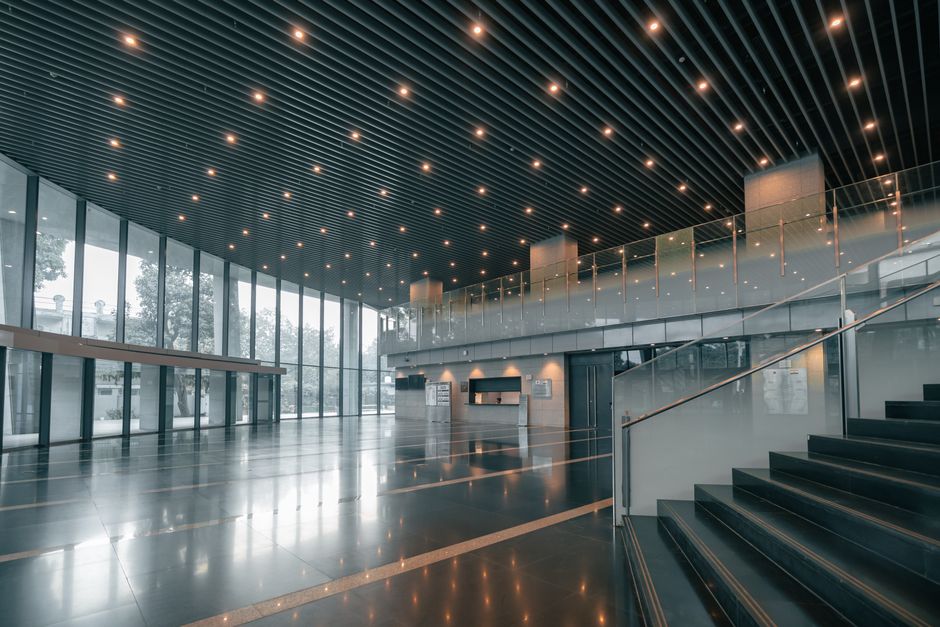
Space Optimization and Functional Zoning
Effective lobby layout is about friction reduction. Guests arriving with luggage shouldn’t be navigating an obstacle course of lounge chairs. According to industry standards often highlighted by publications like Eduwik, the primary path from the entrance to the elevators should be intuitive, clear, and unobstructed.
Zone Priority Common Pitfall Entrance/Vestibule Transition/Climate control Ignoring airlocks, causing drafts Front Desk/Reception Accessibility/Visibility Too far from the main entry Lounge/Workspace Acoustics/Power access Lack of proximity to outletsWe see far too many lobbies that prioritize "Instagrammable moments" over actual function. If a guest cannot find a power outlet near a lobby chair, or if the acoustics are so poor that a private phone call becomes public knowledge, your layout has failed. These are the small, overlooked details that win awards—like those seen in the Rethinking The Future Awards 2026—where the best entries prioritize human-centric utility over pure vanity.
The Corridor: The Unsung Hero of Hospitality
Corridors are the arteries of a hotel. They are also, inevitably, the places where most designers drop the ball. Too often, corridors are treated as "dead space"—long, dimly lit hallways designed purely to move people from Point A to Point B. But a hotel corridor is a transition zone. It is the psychological decompression chamber between the public energy of the lobby and the private sanctuary of the room.
My biggest pet peeve? Ignoring ceiling heights. Developers love to maximize floor area ratio, so they shove all the mechanical, electrical, and plumbing (MEP) runs into the ceiling plenum, resulting in an 8-foot-high tunnel that feels claustrophobic. If you have to go low with your ceiling, you must use light to compensate. Wall-washing light fixtures can create the illusion of width, while light-colored, matte-finish materials can soften the edges.
Guest Flow Planning and Noise Control
Hotel corridor design is fundamentally about managing two things: noise and wayfinding. A guest should never be able to hear their neighbor’s TV through the wall, and they certainly shouldn't be disturbed by the rolling thunder of a housekeeping cart at 6:00 AM.
- Acoustic Buffers: Ensure that mechanical shafts are not shared directly with guest room walls. If you must place a riser, use mass-loaded vinyl or sound-attenuating insulation. Strategic Lighting: Use recessed floor lighting to guide guests toward their room numbers. This prevents guests from squinting at tiny metal plates in the dark. Material Durability: I have seen "trendy" textured wallpaper get shredded by suitcase wheels in six months. Stick to high-impact vinyl wall coverings or wainscoting that can take a beating. If a material cannot survive a rolling suitcase, it has no business being in a hotel hallway.
Avoiding the "Productivity Gain" Myth
Architects often sell clients on the idea that "open-plan lobbies" will increase bar revenue or lobby engagement. Be wary of this. If you tear down walls without accounting for the structural columns holding up the building, you are looking at a massive budget overrun. I’ve sat in too many meetings where the structural reality forced a redesign mid-way through construction because someone wanted a "flowing, open space" that ignored the load-bearing requirements of the floors above.
If you want to optimize your space, look at the MEP drawings first. Where are your returns? Where are your fire exits? If you can hide your mechanical intake behind a decorative screen that doubles as an acoustic baffle, you’ve saved money and improved the guest experience. That is smart design; that is the kind of work that gets recognized by groups like the Rethinking The Future Awards 2026.
Conclusion: Design with Purpose
When you strip away the trends, the "modern" buzzwords, and the expensive art installations, what remains is the structure of the space and the flow of the people. A hotel should feel intuitive. A guest shouldn't have to ask, "Where is the elevator?" and they shouldn't feel like they are walking through a labyrinth to find their room.
By focusing on the basics—the quality of natural light, the integrity of your material choices, and the careful zoning of noise—you create a space that functions as well as it looks. The next time you find yourself in a design meeting, stop asking how you can make the lobby "pop." Start asking where the daylight hits, how the guests will move with their luggage, and whether your beautiful, trendy wall finish can survive a busy Friday night. Your future self, and your operations team, will thank you.
