If I hear one more travel influencer tell me to "just relax" when I’m staring down a two-week trip with a complex medical history, I might lose my mind. Let’s be real: relaxing isn’t a strategy. Strategy is a pre-flight checklist. For the last 12 years, I’ve been toggling between NHS waiting lists, private insurance portals, and the frantic, late-night reality of trying to source a prescription while navigating a layover in a country where I don’t speak the language.
The travel industry loves to sell us on the "seamless digital journey." We’re told that everything—from our boarding pass to our health history—should live neatly in our smartphones. But when it comes to the intersection of digital healthcare pros cons and international travel, the reality is often less "seamless" and more "technological clutter." Does this new wave of health-tech actually solve the friction points of being away from home, or is it just adding more login credentials to a digital life that’s already groaning under the weight of too many apps?
The Pre-Departure Reality: Why "Just Relaxing" Doesn't Work
We’ve all been there. You’re three weeks out from departure, and the anxiety isn't about whether you packed enough socks—it’s about whether you have enough of your maintenance medication to get through the trip. In the UK, we are used to the rhythm of the NHS—the familiar, if occasionally slow, cadence of pharmacy requests and GP sign-offs. When you step outside that system, that rhythm breaks.
Modern travel requires a proactive approach. You cannot wait until you are mid-crisis in a foreign hotel room to figure out your medical documentation. My running pre-flight checklist has evolved significantly over the last decade. It used to be just passports and power adapters. Now, it includes a digital folder of medical summaries, current prescriptions, and verified contacts for telehealth services that actually know what they’re doing.

Navigating the Digital Landscape: The Role of CQC and Regulated Care
One of my biggest gripes with current travel health advice is the obsession with "vague convenience." People recommend random apps for telehealth without mentioning whether those providers are held to any real standard. If you are a UK citizen, you should be looking for providers registered with the Care Quality Commission (CQC). The CQC isn't just bureaucracy; it’s a vital safety net.
When I look at services like Releaf for specialized private care or consultations, the value proposition isn't "speed at any cost." It’s safety, legality, and continuity. Using a CQC-regulated provider ensures that your digital interaction—whether it’s a consultation or an online prescription—is tracked, audited, and follows UK medical standards. This is the difference between getting care that bridges the gap between your home GP and your holiday destination, and being sold a placebo by an unregulated overseas app.
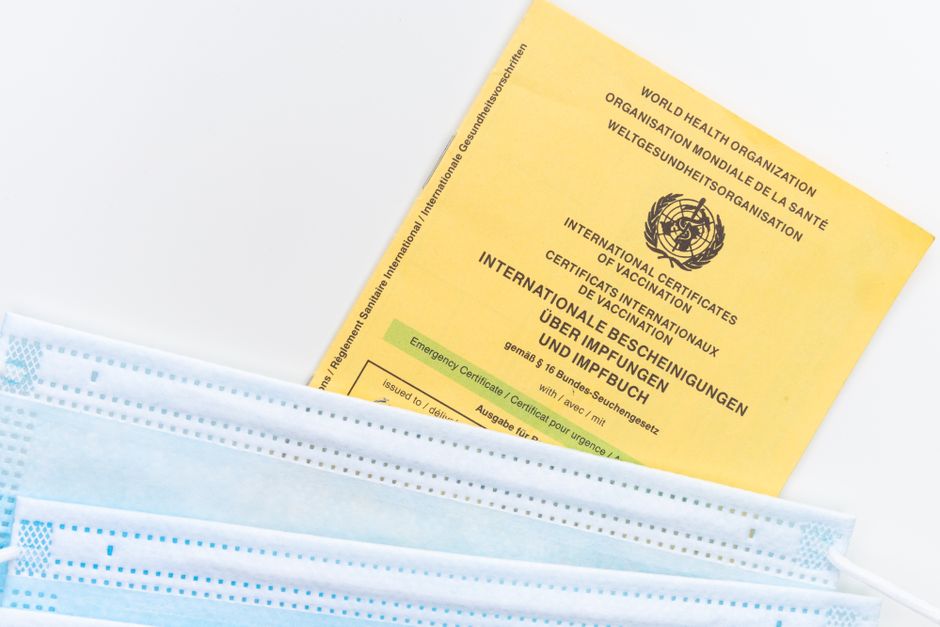
Avoid the "buzzword apps" that promise instant health solutions without mentioning regulatory oversight. If an app claims they can "solve all your travel health needs" with one click, they are lying. Healthcare is complex, and the digital tools worth having are the ones that acknowledge that complexity, not the ones that try to hide it behind a sleek interface.
Prescription Continuity: The Greatest Friction Point
Nothing kills the "holiday vibe" faster than realizing your pharmacy at home won’t release a three-month supply of medication because of "policy," or because you didn't trigger the online prescription management system weeks in advance.
The friction here is twofold:
The NHS bottleneck: Our system is built for local, routine care. It is not built for the "I'm going to Bali for three months" patient. International laws: Even if you have a digital prescription, it doesn't mean a pharmacist in another country can (or will) fill it.This is where digital tools like Traveltweaks can help bridge the gap. By centralizing your travel documentation and health logistics, you can at least keep your medical records accessible. When I’m stuck in a transit lounge trying to explain to a foreign physician what my NHS GP has been prescribing for the last five years, having that digital log is non-negotiable. It isn't magic, and it doesn't solve the fact that cross-border medicine is a regulatory nightmare, but it provides the paper trail that often makes the difference between getting a refill and being told to find a local clinic.
Digital Healthcare Pros Cons: A Reality Check
We are currently suffering from travel tech fatigue. We have an app for flight tracking, an app for hotel points, an app for currency conversion, and now, three apps for healthcare. The promise of telehealth convenience is real, but the execution often falls short.
Feature The Digital Promise The Real-World Friction Telehealth Consults Instant access to specialists anywhere in the world. Time zone differences and spotty Wi-Fi during a breakdown. Online Prescriptions Refills accessible via digital portals. Lack of global portability; local laws often prohibit foreign digital scripts. Health Aggregators All your records in one convenient dashboard. Data privacy concerns and the difficulty of syncing NHS data.How to Actually Use Digital Healthcare to Your Advantage
Stop looking for a "magic app" and start looking for an "operational plan." Here is how I handle it, and how you should be looking at it:
1. Pre-Trip Documentation (The "Before You Leave" Phase)
Don't wait until https://traveltweaks.com/the-expanding-role-of-digital-healthcare-in-travel-preparation-81133/ you're at the gate. Check your current prescriptions. If you need a travel supply, request it from your GP at least four weeks before travel. Use an online management system to track when those requests are sent and approved. If you are using a private service like Releaf to manage specific ongoing health needs, ensure they have your full medical history synced before you go.
2. Vet Your Digital Tools
If an app is telling you how to manage your health, check for CQC registration. If they aren't regulated in the UK, be very cautious about what information you give them. Convenience should never come at the expense of clinical accuracy.
3. Use Digital Tools for Logistics, Not Diagnostics
I use services like Traveltweaks to keep my medical notes and insurance documents organized. It’s an administrative layer, not a clinical one. When you approach digital health this way, you remove the "tech fatigue." You aren't expecting the app to be your doctor; you’re expecting it to be your filing cabinet.
4. Telehealth for Reassurance, Not Just Emergencies
The real benefit of telehealth isn't just about getting a prescription filled while abroad; it’s about having a conversation with a clinician who speaks your language and understands your history. It’s the ultimate reassurance tool when you’re dealing with a mild illness that doesn’t require an ER visit but does require professional input. Knowing you can talk to a UK-regulated professional via video call can prevent the panic that often leads to bad decisions.
The Verdict: Is it Worth the Clutter?
Digital healthcare isn't making travel "easier" in the way that booking a flight on your phone made travel easier. It isn't a shortcut. It is, however, an essential component of modern travel logistics. If you treat these tools as a way to streamline your bureaucracy—rather than expecting them to magically bypass global medical regulations—they are incredibly useful.
The "tech fatigue" is real, and the apps are piling up. But when you’re three time zones away and you realize your pharmacy at home hasn't processed your refill, or you need to double-check a medication interaction with a professional who actually has your records, you’ll be glad you did the legwork before you left. Stop trying to "relax" your way through medical prep. Get the documentation, use the regulated services, and keep your digital records organized. Travel is messy enough; keep your health strategy as tidy as possible.